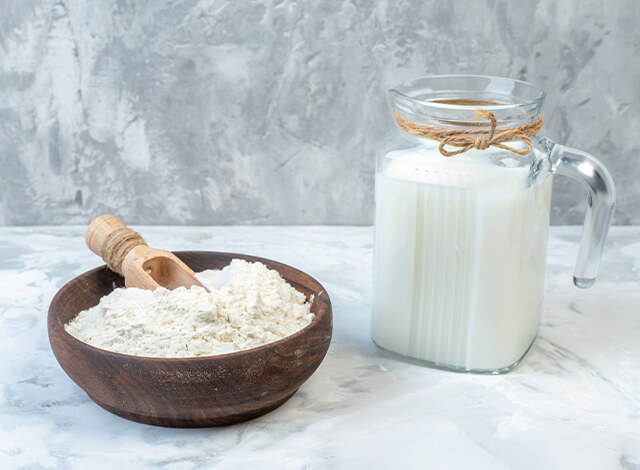
Dairy whitener is a well-known milk-based powder that instantly makes tea and coffee creamier. It is a favourite option for daily beverage preparation at home and at work because it is carefully created for improved taste, smooth mixing, and convenience. It is sometimes confused with milk powder.
How is dairy whitener made?
Many people are curious about the production process and whether dairy whitener is derived straight from milk. Milk is where the process begins, but it doesn’t finish there.
Fresh milk is first heat-treated, and evaporation and spray-drying are used to remove most of the moisture. This turns the milk into a powder. The dried milk is then mixed with substances including milk solids, emulsifiers, and stabilizers to enhance taste, texture, and solubility.
These extra ingredients provide drinks a richer, creamier texture and aid in the dairy whitener’s rapid dissolution in heated liquids. The product is an easily soluble, free-flowing powder that is primarily intended for drinks rather than cooking.
What sets dairy whitener apart from ordinary milk powder is its formulation.
How to use dairy whitener?
One of the reasons dairy whiteners is so popular is because it’s easy to understand how to use.
Dairy whitener may be:
- Mixed directly with hot water
- Added to coffee or tea
- Used in instant beverage mixes
Usually, you add one to two teaspoons of dairy whitener to a cup of hot tea or coffee and stir. It dissolves nearly rapidly, giving it a lump-free, creamy, milk-like consistency.
Dairy whitener works best in hot liquids, where it combines well and improves colour and flavour, as it is primarily made for beverages.
Is dairy whitener and milk powder same?
“Is dairy whitener and milk powder the same?” is a frequently asked question. They are distinct products; hence the answer is no.
Pure milk is dehydrated to make milk powder. When reconstituted with water, it preserves most of the nutritional profile of liquid milk and solely comprises milk solids.
Conversely, dairy whitener is a manufactured product. It has additional substances in addition to milk derivatives, such as:
- Boost solubility
- Boost the creaminess
- Keep your drinks consistent.
These ingredients lead dairy whitener, which is specifically designed for tea and coffee, to behave differently from milk powder when combined.
Milk Powder vs. Dairy Whitener
The purpose and composition of dairy whitener and milk powder differ from one another.
Because of its versatility, milk powder can be used for:
- Consuming milk
- Preparing food
- Baking
- Making desserts
The primary uses of dairy whitener are:
- Tea
- Coffee
- Instant drinks
While dairy whitener offers convenience, quicker dissolution, and a fuller mouthfeel in hot beverages, milk powder gives a more natural milk taste and nutrients. Depending on how you intend to utilize them, you can choose between the two.
Can we use dairy whitener instead of milk powder?
A common question from customers is if dairy whitener can be used in place of milk powder.
Dairy whitener is specifically made to substitute milk powder in drinks like tea or coffee. However, dairy whitener might not work well in recipes that call for pure milk solids, such baking, curd-making, or sweets.
This is due to the fact that when dairy whitener is employed in cooking, its formulation and additional stabilizers may alter its texture and flavour. As a result, although it functions well as a beverage substitute, it is not always appropriate to use it in place of milk powder in all recipes.
Is dairy whitener good for health?
When used in moderation as part of a healthy diet, dairy whitener is safe. But certain types might include:
- Sugar addition
- Stabilizers or emulsifiers
- Greater fat content in comparison to regular milk powder
Checking ingredient labels and being mindful of nutrition are crucial for those who drink many cups of tea or coffee each day. Reducing needless consumption of additional additives can be achieved by selecting reliable brands and limiting quantity sizes.
Dairy whitener, like other processed foods, is best consumed consciously rather than in excess.
Conclusion – what is the difference between milk powder and dairy whitener?
To sum up the distinction between dairy whitener and milk powder:
Simply put, milk powder is milk that has had its water extracted. It is more akin to genuine milk and can be used in a variety of culinary applications.
A product made especially for drinks, dairy whitener improves taste, speeds up mixing, and adds convenience.
Both items have their own applications, and the best option will depend on whether you value instant creaminess in drinks or variety.
FAQs
-
Can I use dairy whitener in tea and coffee?
Yes, dairy whitener is specifically designed for tea and coffee and dissolves quickly to give a creamy taste and appearance.
-
Can dairy whitener replace milk in recipes?
It can replace milk in beverages but may not work well in recipes that require pure milk solids or traditional milk texture.
-
Does dairy whitener dissolve in cold water?
Dairy whitener dissolves best in hot liquids; it may not dissolve smoothly in cold water without stirring or heating.
-
How long does dairy whitener last after opening?
When stored in a cool, dry place and sealed properly, dairy whitener typically lasts several months after opening.
-
Can lactose-intolerant people use dairy whitener?
Most dairy whiteners contain milk solids and lactose, so lactose-intolerant individuals should check labels or consult a healthcare professional.