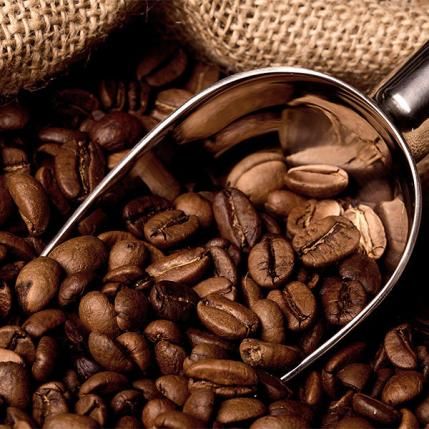
A fun fact about your favourite hot and cold beverage – did you know there are around 100 different species of coffees available all over the world? These species carry a significant difference in terms of taste and cultivation but end up looking the same once roasted. So we thought about introducing you to the two main types of coffee in India – Arabica & Robusta.
If you’ve ever compared coffee labels or explored different brewing styles, you’ve probably come across the debate of Robusta vs Arabica coffee. While both beans come from the coffee plant family, they differ in flavour, caffeine content, growing conditions, price, and even the way they are used in different coffee blends. Understanding these differences can help you choose a coffee that better matches your taste preferences.
Many coffee drinkers wonder whether Arabica or Robusta coffee is better. While Arabica is often preferred for its smooth and complex flavour, Robusta stands out for its stronger taste and higher caffeine content. Understanding the key differences between Arabica and Robusta coffee can help you make a more informed choice.
What is Arabica Coffee?
Arabica has a simple five-worded introduction. It is the “queen of the coffee beans”. Coffee lovers swear by its refined, complex, sweet and soft taste. Manufacturers love Arabica’s superior quality and purity. The acidity of these coffee beans is higher, which delivers it a winey nature with slight tones of berries, fruit and sugar in each sip. Brands even love to show it off with a “100% Arabica” noting on the package, wherever possible.
This coffee bean clearly rules the world of coffee production and speciality market.
What is Robusta Coffee?
Robusta is the second most widely produced coffee species in the world and is valued for its strong flavour, high caffeine content, and resilience during cultivation. It is commonly used in espresso blends and instant coffee due to its bold taste and ability to produce a rich crema.
The beans are harsh, strong and have grainy overtone with a peanut-like aftertaste. When compared to Arabica, this coffee is considered much inferior but contains twice its amount of caffeine.
Robusta’s higher caffeine content isn’t just responsible for its stronger taste. It also acts as a natural defence mechanism against insects and pests, making Robusta plants more resilient and easier to cultivate than Arabica plants.
Arabica vs Robusta Coffee: Quick Comparison Table
Most specialty coffee brands use Arabica beans, while many espresso blends include Robusta for added crema and body. Here’s a quick overview of how Arabica and Robusta differ:
| Feature | Arabica Coffee | Robusta Coffee |
| Taste | Smooth, sweet, and aromatic | Bold, strong, and earthy |
| Caffeine Content | Lower | Higher |
| Acidity | Higher | Lower |
| Growing Conditions | Higher altitudes | Lower altitudes |
| Price | More expensive | More affordable |
| Common Uses | Specialty coffee, black coffee | Espresso blends, instant coffee |
While both coffee varieties have loyal followers, the right choice often depends on how you like your coffee and what flavours you enjoy most.
Difference Between Arabica and Robusta Coffee
Arabica VS Robusta Coffee
Putting our own prejudices aside, let us look into the main difference between Robusta coffee from Arabica coffee point-wise.
- Cultivation: Robusta is easier to cultivate and more resistant to pests and diseases than Arabica. Its higher caffeine content acts as a natural defence mechanism against insects. Its high levels of caffeine act as a chemical defence for the beans as it is very much toxic for the bugs. Robusta also produces its fruit quicker than its finer counterpart. The yield of Arabica takes several years to mature.
Robusta coffee is produced at sea level, whereas the Arabica is grown at higher altitudes blessed a cool subtropical climate.
- Price: Arabica coffee is pricier than Robusta. Cheap, supermarket and instant coffees tend to be Robusta. You can get Arabica coffee in grocery stores; but cannot always trust its quality.
- Production: Arabica accounts for approximately 60% of global coffee production, while Robusta contributes around 40%. This makes Arabica the most widely cultivated coffee species worldwide.
- Beans Shape: The original unroasted green beans of these coffees are easy to tell apart. Robusta coffee beans have round shape whereas the Arabica beans are elongated and flat.
- Taste: As stated earlier, Arabica gives off an aromatic and mild taste while Robusta has a grainy feel to it with a much stronger and harsher flavour. This stark difference comes from the fact that Robusta has double caffeine amount while Arabica contains 60% more lipid and twice the sugar concentration.
Which Coffee Has More Caffeine: Arabica or Robusta?
One of the most common questions coffee drinkers ask is whether Arabica or Robusta contains more caffeine. In most cases, Robusta contains significantly more caffeine than Arabica, which contributes to its stronger taste and bolder character. Arabica, meanwhile, is often preferred for flavour complexity rather than caffeine intensity.
Robusta coffee contains nearly twice the caffeine content of Arabica coffee.
Average caffeine levels:
- Arabica: 1.2%–1.5%
- Robusta: 2.2%–2.7%
The higher caffeine content gives Robusta its stronger taste and natural resistance against pests. If you need an energy boost, Robusta coffee is usually the better choice.
Arabica vs Robusta Taste Profile
Arabica coffee is known for:
- Sweet notes
- Fruity flavors
- Floral aromas
- Smooth finish
Robusta coffee is known for:
- Earthy flavor
- Nutty undertones
- Dark chocolate notes
- Strong bitterness
Coffee enthusiasts generally prefer Arabica for black coffee, while Robusta performs exceptionally well in milk-based beverages and espresso blends.
Benefits of Choosing Arabica or Robusta Coffee
Benefits of Arabica Coffee
- Rich flavor complexity
- Pleasant aroma
- Lower bitterness
- Preferred by specialty coffee drinkers
Benefits of Robusta Coffee
- Higher caffeine content
- Better crema for espresso
- More affordable
- Greater disease resistance during cultivation
Arabica vs Robusta Coffee in India
India grows both Arabica and Robusta coffee, primarily in:
- Karnataka
- Kerala
- Tamil Nadu
Robusta dominates Indian coffee production due to its resilience and higher yields. However, premium specialty coffee brands often highlight high-altitude Arabica beans for their superior flavor profile.
Why Do Coffee Brands Blend Arabica and Robusta?
Many coffee brands combine Arabica and Robusta beans to create a balanced flavour profile. Arabica contributes sweetness, aroma, and acidity, while Robusta adds body, strength, and crema.
This combination is particularly popular in espresso blends, where coffee drinkers seek both flavour complexity and a rich mouthfeel.
Robusta Coffee vs Arabica Coffee: Which one to choose?
There is no single winner when comparing Arabica and Robusta coffee. The best choice depends on your personal taste preferences and brewing style.
- Choose Arabica if you enjoy smooth, sweet, fruity, and aromatic coffee.
- Choose Robusta if you prefer a stronger, bolder cup with higher caffeine content.
- Choose a blend if you want a balance of flavour complexity, body, and strength.
High-quality Robusta coffees can offer excellent depth and crema, while premium Arabica beans are celebrated for their nuanced flavour profiles. Exploring both varieties can help you discover what suits your palate best.
Honestly, it all depends on your own preference. Some blends of Arabica are too floral and high for few. Others love the dark and rich harshness of Robusta coffee. Plus, not all Robusta beans taste the same. Few high-quality Robusta beans give off good cream and deep flavour in espressos. It might be safe to say that Robusta hasn’t discovered its full potential yet.
Above all, the blend of these two mighty beans brings an entirely new range of flavours to your cup. Their individual advantages and characteristics mix well. Robusta balances the blend’s acidity while Arabica reduces the harshness.
Our suggestion would be – do not limit yourself to just one kind of coffee. Try both individually, blend and then decide which one deserves a spot in your kitchen cabinet.
FAQs
-
What is the difference between Robusta and Arabica coffee?
Arabica coffee has a smoother flavor, while Robusta coffee is stronger and contains more caffeine.
-
Which coffee contains more caffeine?
Robusta coffee contains significantly more caffeine than Arabica coffee.
-
Why is Robusta coffee stronger in taste?
Robusta beans have higher caffeine and chlorogenic acid content, resulting in bolder flavor.
-
Is Arabica coffee sweeter than Robusta?
Yes, Arabica coffee is generally smoother, sweeter, and more aromatic.
-
Which coffee is commonly used in espresso blends?
Robusta coffee is often used in espresso blends for stronger taste and thicker crema.
-
What is golden dust tea?
Golden dust tea is a finely processed tea variety known for its strong color and robust flavor.
-
Does tea price in India vary by quality?
Yes, tea price in India depends on factors like tea grade, origin, processing method, and leaf quality.
-
Why is Assam dust tea popular in India?
Assam dust tea is popular for its strong taste, rich liquor, affordability, and suitability for milk tea preparation.
-
Is Robusta coffee healthier than Arabica?
Both coffees contain antioxidants and health-promoting compounds. Robusta contains more caffeine, while Arabica is generally easier on the palate.
-
Why do espresso blends contain Robusta?
Robusta produces a thicker crema and stronger body, making it a popular ingredient in espresso blends.
-
Can I drink Robusta coffee every day?
Yes. However, due to its higher caffeine content, moderation is recommended for caffeine-sensitive individuals.
-
Why is Arabica coffee more expensive?
Arabica requires specific growing conditions, higher altitudes, and is more vulnerable to pests and diseases, increasing production costs.
-
Which coffee bean is best for beginners?
Arabica coffee is generally recommended for beginners because of its smooth, sweet, and less bitter flavor.