Matcha tea has quickly become one of the most talked-about wellness drinks among young people and Gen Z. From aesthetic café posts to fitness influencers recommending it as a morning ritual, matcha tea is no longer just a traditional Japanese beverage it’s a lifestyle trend.
But what exactly is matcha tea? Why is it so popular? And is it really better than coffee or regular green tea?
Let’s break it down.
What Exactly Is Matcha Tea?
If you’ve ever wondered what is matcha tea, it’s a finely ground powder made from specially grown green tea leaves. Unlike regular green tea, where leaves are steeped and discarded, matcha tea powder is whisked into water or milk meaning you consume the entire leaf.
Matcha is shade-grown before harvest, which increases its chlorophyll content and gives it that vibrant green color. The leaves are then steamed, dried, and stone-ground into a smooth powder.
Because of its concentrated form, many people associate it with improved energy, focus, and overall wellness support.
Why Is Matcha Tea So Popular Among Young People and Gen Z?
Matcha tea has become more than just a beverage, it’s a trend.
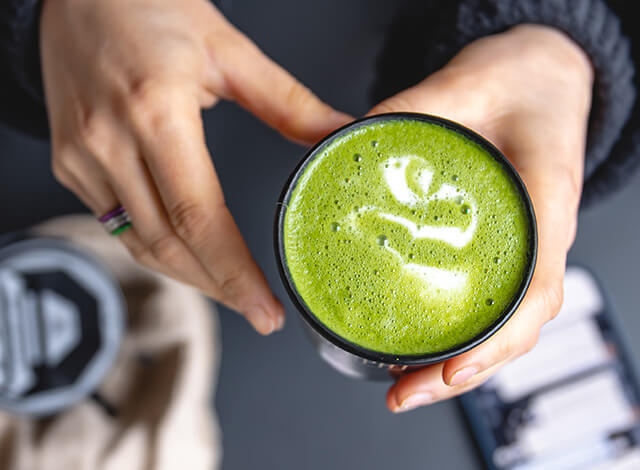
Social media platforms like Instagram and TikTok have elevated matcha lattes into aesthetic staples, with their vibrant green hue boosting visual appeal and shareability.
Within the broader bubble tea trend, matcha bubble tea stands out as a popular variation, blending the earthy flavor of matcha with chewy tapioca pearls, further expanding matcha’s appeal among younger audiences.
Gen Z prioritizes mental clarity, gut health, and balanced energy. The benefits of drinking matcha tea especially steady focus and antioxidant support, align perfectly with these goals.
Many young professionals now prefer matcha as part of their morning routine because it provides calm alertness, a smoother energy release, and improved productivity, without the sharp caffeine crash associated with coffee. Read more about Morning Coffee
Is Matcha Tea Good for Focus, Fitness, and Daily Productivity?
One of the biggest reasons matcha tea powder is trending is its impact on focus and performance.
Matcha contains caffeine and L-theanine an amino acid that promotes calm alertness. This combination may help improve concentration without the jittery feeling often associated with coffee.
Many fitness enthusiasts drink matcha before workouts. The caffeine can enhance endurance, while antioxidants may help reduce oxidative stress. It’s benefits are often linked to improved focus, performance, and daily efficiency.
Is Matcha Tea Safe to Drink Every Day for Young Adults?
Yes, for most healthy individuals, matcha tea is safe when consumed in moderation.
1-2 cups per day is generally considered reasonable. Since matcha contains caffeine, excessive intake may cause unwanted symptoms.
One serving of matcha typically contains less caffeine than coffee but more than regular green tea.
Individuals sensitive to caffeine, people with anxiety disorders, those with certain heart conditions, and pregnant individuals should limit intake or consult a healthcare provider.
How Do Young People Usually Drink Matcha Tea?
Matcha is extremely versatile, which adds to its popularity.
Popular ways to consume matcha include:
- Matcha latte (hot or iced)
- Matcha bubble tea
- Matcha smoothies
- Matcha protein shakes
- Matcha desserts
- Traditional whisked matcha with water
Are There Any Side Effects of Matcha Tea You Should Know?
While the benefits of drinking matcha tea are widely discussed, it’s equally important to understand the side effects of drinking matcha green tea.
Too much matcha may cause insomnia, restlessness, increased heart rate, or anxiety. These are common side effects, especially in caffeine-sensitive individuals.
Drinking matcha on an empty stomach may cause nausea in some people. Choosing high-quality matcha reduces the risk of contaminants associated with lower-grade products.
Should You Try Matcha Tea or Stick to Coffee?
Both matcha and coffee have benefits, it depends on your goals.
Matcha provides slow and steady energy with calm alertness, while coffee delivers a faster spike in stimulation. Matcha is rich in antioxidants and less likely to cause jitters or crashes compared to coffee.
Conclusion
Matcha tea’s rise in popularity among young people isn’t just about aesthetics, it’s driven by real lifestyle shifts toward balanced energy, wellness, and mindful consumption.
From matcha lattes to smoothies, especially as a morning ritual, matcha continues to attract Gen Z and young professionals alike. However, understanding the side effects of consuming matcha green tea in moderation is equally important.
Whether you’re exploring what is matcha tea for the first time or considering switching from coffee, this vibrant green beverage has clearly earned its place in modern wellness culture.
FAQs
-
Is Matcha Tea Really Healthier Than Regular Green Tea?
Matcha tea is more concentrated than regular green tea, providing higher antioxidant levels and caffeine per serving because you consume the entire powdered leaf. Read more about Matcha vs Green Tea
-
Can Matcha Tea Help with Weight Loss or Fitness Goals?
Matcha may support weight management by boosting metabolism and providing steady energy for workouts, but it works best alongside a balanced diet and regular exercise.
-
Is Matcha Tea Trending on Social Media?
Yes, matcha tea is highly popular on Instagram and TikTok, especially in latte and matcha bubble tea formats due to its vibrant green color and wellness appeal.
-
Can Matcha Tea Cause Sleep Issues or Anxiety?
Because matcha contains caffeine, excessive intake may contribute to insomnia or anxiety, particularly in caffeine-sensitive individuals or when consumed late in the day.
-
Does Matcha Tea Help with Stress and Relaxation?
Yes, matcha contains L-theanine, an amino acid that promotes relaxation while maintaining alertness, making it helpful for stress management without causing drowsiness.