
Having a warm cup of tea before bed is more than just a reassuring custom. Some herbal teas contain natural ingredients that help relax the body, soothe the mind, and get you ready for more comfortable, deeper sleep. Bedtime teas can be a mild and effective remedy if you have trouble going to sleep, keeping asleep, or just want a quiet nighttime routine. The best teas for sleep, how they function, and how to brew them for optimal effect are all covered in this guide.
Why Bedtime Teas Can Improve Sleep
For millennia, people have used herbal teas to promote relaxation and sleep. Many of them include naturally occurring plant substances with soothing properties, like apigenin, linalool, rosmarinic acid, and flavonoids. By interacting with the brain’s receptors, these substances help lower anxiety, calm the nervous system, and foster calm.
The fact that the majority of bedtime teas are caffeine-free, which allows them to be consumed late at night without interfering with sleep cycles, is another significant advantage. Teas that relieve physical discomforts like indigestion, tension, tight muscles, and stress problems that frequently disrupt sleep include chamomile, valerian root, lavender, and peppermint.
Including herbal teas in your evening ritual is an easy, and all-natural method to create a calming shift from a hectic day to a more relaxed state of mind before bed.
Chamomile Tea: A Classic Sleep Aid
For good reason, chamomile tea is one of the most well-liked and thoroughly studied teas for sleep. It is a peaceful option for nighttime because of its mild floral flavour and relaxing scent. Apigenin, a potent antioxidant found in chamomile, interacts to brain receptors to promote sleepiness and lessen anxiety.
It’s perfect for anyone who wants a calm wind-down ritual or who has racing thoughts before bed. The greatest way to reduce tension and get the body ready for sleep is to regularly drink chamomile tea around half an hour before bed.
Lavender Tea: Relaxing Aroma for Sleep
Lavender tea has the same calming effects as lavender, which is well renowned for its calming aroma. The tea contains substances that help relax the nervous system, such as linalool and linalyl acetate. It also has a gentle, mildly sweet flavour.
Before going to bed, drinking lavender tea may ease tension, lower stress levels, and enhance the quality of your sleep. It is a great addition to your nighttime routine because its scent alone has been demonstrated to lower heart rate and encourage relaxation. For the ideal balance of flavour and aroma, steep lavender tea for five to seven minutes.
Peppermint Tea: Gentle and Caffeine-Free
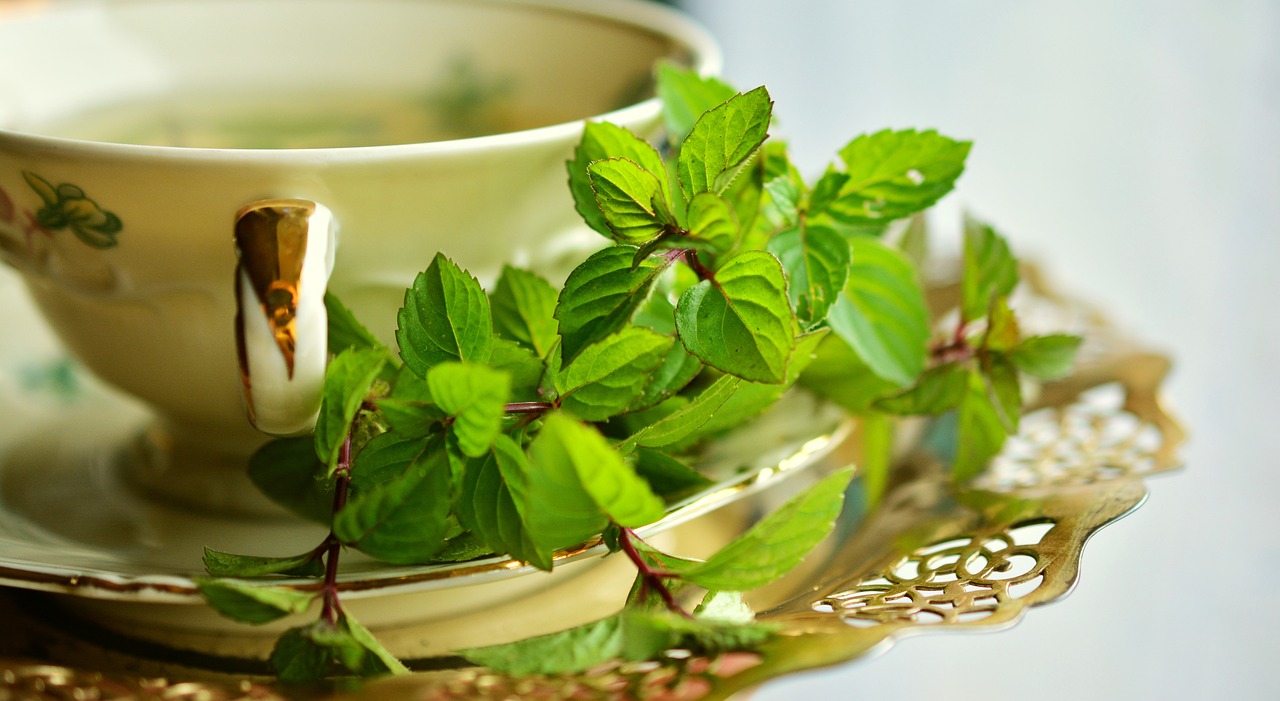
Before bed, peppermint tea is extremely relaxing and refreshing. It helps the body relax, which promotes sleep even if it doesn’t cause it. Peppermint tea is especially helpful for people who have trouble with digestive discomfort, bloating, mild headaches, and muscle tension.
It won’t disrupt your sleep routine because of its naturally caffeine-free profile. Peppermint’s cooling menthol calms the body and facilitates restful slumber.
Valerian Root Tea: Strong Sleep Support
One of the best herbal teas for restful sleep is valerian root tea. Compounds found in valerian root raise the brain’s levels of GABA (gamma-aminobutyric acid), a crucial neurotransmitter that lowers stress and encourages relaxation.
It is advised to drink this tea 30 to 60 minutes before bed because it has a unique earthy flavour. Because valerian root can be powerful, start with a smaller amount to see how your body reacts. It is perfect for those who have high levels of stress, restlessness, or persistent insomnia.
Lemon Balm Tea: Calming and Refreshing
Lemon balm, which belongs to the mint family, is well-known for its revitalizing scent. Because it contains rosmarinic acid, it provides a mild sedative effect that promotes relaxation and lessens anxiety.
For those seeking a mild, relaxing tea with a delightful citrus twist, lemon balm tea is ideal. It can help you fall asleep peacefully, calm your mind, and lessen restlessness.
Passionflower Tea: Reducing Anxiety and Insomnia
Another potent herbal tea that promotes sleep is passionflower tea. It helps to calm brain activity and lessen anxiety by boosting GABA production. Passionflower tea may be particularly beneficial for those who suffer from minor sleeplessness or overthinking at night.
It is easy to blend with chamomile or lemon balm for a more potent sleep effect because of its mild, slightly earthy flavour.
Tips for Brewing the Perfect Bedtime Tea
Remember these brewing suggestions to make the most of your evening tea ritual:
- For delicate herbs like lavender and chamomile, use hot water rather than boiling to prevent bitterness.
- To release the advantageous chemicals, steep for at least five minutes.
- For maximum relaxation, have a drink 30 to 60 minutes before going to bed.
- Caffeine and sugar should not be added since they can disrupt sleep.
- To maximize the benefits of the tea, create a relaxing atmosphere with low lighting, gentle breathing, and no screens.
Health Considerations and Precautions
While bedtime teas are generally safe, a few precautions are helpful:
- Some herbs including valerian root, chamomile, and passionflower may interact with certain pharmaceuticals (sedatives, anti-anxiety meds, antidepressants).
- Before drinking herbal teas, women who are nursing or pregnant should speak with a doctor.
- Certain teas should be avoided by those who are allergic to plants, particularly daisy family herbs like chamomile.
- Moderate intake is best, usually 1–2 cups per evening.
- See a doctor to determine the underlying causes of your persistent sleep problems.
FAQs
-
Can I drink bedtime tea every night?
Yes, most herbal bedtime teas are safe for daily use, as long as you keep the intake moderate and choose caffeine-free blends.
-
Which tea works fastest for sleep?
Valerian root and passionflower tea typically work the fastest because they increase GABA activity, helping the mind and body relax quickly.
-
Are herbal teas safe during pregnancy?
Not all teas are safe during pregnancy. Always consult your doctor before consuming herbal teas like chamomile, peppermint, or valerian.
-
Do bedtime teas actually improve sleep quality?
Yes, when used consistently, bedtime teas can reduce stress, calm the nervous system, and support deeper, more restful sleep.
-
Can children drink bedtime teas?
Mild herbal teas like chamomile may be safe for older children but always consult a paediatrician before giving any herbal teas.