To understand that, let’s start with the basics.
What is Matcha?
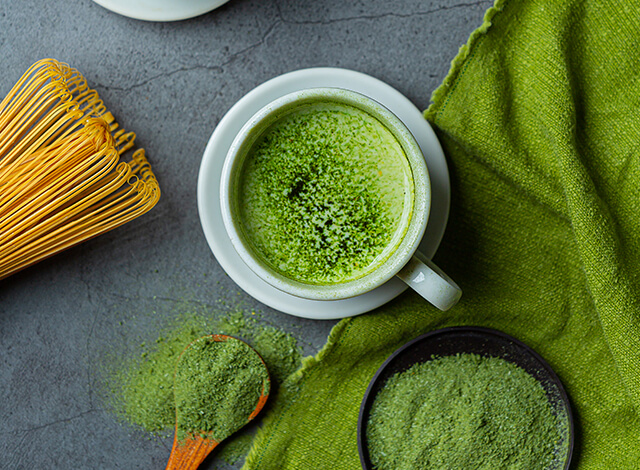
Matcha tea is a type of green tea made from finely ground tea leaves of the Camellia sinensis plant. Unlike regular green tea, you consume the entire leaf, making matcha richer in antioxidants, caffeine, and nutrients.
Matcha, which has long been used in Japanese tea rituals, is currently popular due to its striking green hue, earthy taste, and remarkable health advantages.
Does matcha have caffeine?
| Type of Tea | Caffeine Content (per cup) |
| Matcha Tea | 30-70 mg |
| Green Tea | 20-45 mg |
| Black Tea | 40-90 mg |
What is the process of making matcha tea?
Matcha production is a meticulous process that begins with shade-growing the tea plants for about three weeks before harvest. This boosts chlorophyll levels, enhancing the tea’s rich green colour and nutritional profile. After harvesting, the leaves are steamed, dried, and stone-ground into a fine powder. The result is a vibrant, nutrient-dense tea that retains its full potential.
How Matcha Tea Tastes
Matcha has a distinct flavour that is earthy and robust. Its flavour profile is a combination of subtle bitterness, creamy umami depth, and mild sweetness. While lower quality matcha may taste more astringent, premium matcha is inherently smooth and lively. While some people prefer to balance the flavours of matcha with milk or natural sweeteners, many people prefer to drink it on its own.
14 Matcha Tea Uses and Benefits
Matcha is a superfood that has many uses and is more than simply a tea. You can use it as a condiment in savoury recipes, combine it into smoothies, bake it into cakes, or drink it as hot or iced tea. Matcha is a great supplement to any routine, whether you’re looking for a nutrient-dense addition to your diet or a morning energy boost. These matcha tea benefits make it one of the healthiest beverages for daily consumption.
-
Could support liver health
Catechins, which are strong antioxidants found in abundance in matcha, may help shield the liver from harm. Consuming green tea extracts, such as those in matcha, may lower the incidence of fatty liver disease and enhance liver enzyme levels, according to some research.
-
High in antioxidants
Antioxidants included in matcha, especially EGCG (epigallocatechin gallate), assist combat inflammation and oxidative stress. Matcha is an excellent anti-aging beverage because it contains antioxidants that shield your cells from harm and promote general wellness.
-
Could aid in cancer prevention
Matcha’s high EGCG content has been investigated for its possible ability to stop the growth of cancer cells. According to certain studies, matcha may help lower the risk of various cancers by stopping the spread of dangerous cells, but further research is required.
-
Boosts brain function
According to studies, caffeine and l-theanine, which are both found in matcha, enhance memory, focus, and cognitive performance. Matcha is a fantastic option for concentration and productivity because, in contrast to coffee, it offers a consistent energy boost without the jitters.
-
Could support heart health
Regular consumption of matcha, as per studies, may help lower blood pressure and bad cholesterol, two factors that are linked to heart health. Additionally, matcha’s antioxidants enhance circulation and stop artery-clogging plaque.
-
Aids in weight loss
Matcha is a fantastic supplement to a weight-loss diet since it increases metabolism and encourages fat burning. According to studies, matcha’s catechins increase thermogenesis, or the body’s rate of burning calories, which aids in weight loss.
-
Improves Focus
Matcha’s L-theanine helps you unwind while staying focused. Because of this, it’s a great option for professionals, students, and anybody else who needs to concentrate for an extended period without experiencing the crash that comes with coffee.
-
Improves Immunity
Rich in vitamins, minerals, and flavonoids, matcha supports a healthy immune system. Its antiviral and antibacterial qualities may help guard against common ailments like the flu and colds.
-
Improves Oral Health
Matcha’s antibacterial qualities lessen foul breath and support healthy gums by preventing the formation of microorganisms in the mouth. Additionally, it has fluoride, which fortifies teeth and guards against cavities.
-
Detox
Matcha’s high chlorophyll content aids in the body’s removal of toxins, heavy metals, and dangerous substances. Regular matcha consumption can enhance general wellbeing and support natural detoxification.
-
Lower Blood Pressure
Because of its rich antioxidant profile, matcha, as per studies, may help support healthy blood pressure levels. Regular consumption is also linked to improved circulation and a lower risk of hypertension, contributing to better heart health.
-
Lower Cholesterol
Matcha, as suggested by studies, may help increase HDL (good cholesterol) while lowering LDL (bad cholesterol). Maintaining this balance is important for reducing the risk of heart disease and supporting overall cardiovascular health.
-
Matcha Tea Benefits for Weight Loss
Matcha tea is widely used for weight loss due to its metabolism-boosting catechins. It helps increase fat oxidation and calorie burning when combined with a healthy diet and exercise.
-
Matcha Tea Benefits for Skin
Matcha tea benefits for skin include reducing acne, slowing aging, and improving skin glow due to its high antioxidant content.
Best Time to Drink Matcha Tea
The best time to drink matcha tea is in the morning or early afternoon. It provides sustained energy without the crash associated with coffee.
Preparing Matcha Tea is Simple and Convenient
There are numerous ways to enjoy matcha! Matcha powder and hot water are whisked until frothy in the conventional way. Matcha can also be added to milk to produce a latte, blended into smoothies to give nutrients, or even used in cakes and sweets. Matcha is a tasty and adaptable addition to your daily routine, whether it is consumed hot or cold.
Matcha Tea Side Effects
While matcha tea is generally safe, excessive consumption may cause caffeine-related side effects such as insomnia or digestive discomfort.
Matcha Tea vs Green Tea Effects
Matcha tea is more nutrient-dense than green tea because it uses whole leaves, while green tea is steeped and discarded.
AVT’s Takeaway
Matcha has a wealth of health advantages and is more than simply a trendy beverage! Everyone can benefit from matcha, which can help with weight loss, heart health, and brain function. It’s also a convenient addition to your lifestyle because it’s simple to make and can be enjoyed in a variety of ways. Now is the ideal moment to include matcha, a superfood, into your daily routine if you haven’t already.
FAQs
-
What’s the difference between matcha and green tea?
Matcha is a powdered form of green tea, made from whole leaves, while regular green tea is steeped and discarded.
-
What is matcha tea made from?
Matcha is made from shade-grown green tea leaves that are ground into a fine powder.
-
Can you drink matcha every day?
Yes! Matcha is safe for daily consumption and offers numerous health benefits when enjoyed in moderation.
-
Does matcha make your skin glow?
Yes! The high antioxidant content in matcha helps reduce inflammation and promote healthy, glowing skin.
-
Is matcha made with water or milk?
Matcha can be prepared with either water or milk, depending on personal preference.
-
Does matcha taste like green tea?
Matcha doesn’t taste exactly like regular green tea, though they come from the same plant. It has a richer, more intense flavour because you’re consuming the whole leaf in powdered form rather than just an infusion.