
What Causes Cold, Cough, and Sore Throat?
Although most colds go away within five to seven days, natural remedies like warm tea are often used as part of common cold treatment to ease discomfort and soothe the throat. Nevertheless, several elements may cause or exacerbate symptoms:
- Weather variations: Abrupt reductions in temperature impair immunity.
- Dust and air pollution irritate the throat and nasal passages.
- Low immunity increases the body’s susceptibility to illnesses.
- Dry air irritates the throat and produces a chronic cough.
Although the majority of colds go away in five to seven days, using natural therapies, such as warm herbal tea, can ease discomfort and hasten healing.
What is the best tea for a cold and sore throat?
If you’re wondering which tea is best for cold, several traditional Indian teas like ginger tea, tulsi tea, and masala chai are known to help soothe symptoms and support recovery.
-
Adrak Chai(ginger tea):
Ginger possesses potent antibacterial and anti-inflammatory qualities, making ginger tea one of the healthy teas to drink when dealing with seasonal cold symptoms.
- It works as a soothing tea for sore throat
- Reduces congestion in the nose
- Relieves both moist and dry coughing
Prepare by boiling water with crushed fresh ginger for 5 to 7 minutes. Add a squeeze of lemon and honey.
-
Masala Tea:
Spices including clove, cinnamon, cardamom, and black pepper are found in masala tea. These warming spices make masala tea a popular herbal tea option during seasonal illness. These seasonings:
- Aid in the removal of mucus
- Heat the body
- Encourage immunity
When ill, choose to consume less sugar and milk. Also read about 6 Teas to deal with sickness.
-
Black Tea:
Antioxidants found in black tea help support immunity and contribute to the overall black tea benefits that make it useful during seasonal illness.
- It reduces inflammation of the throat
- Aids in lowering inflammation
- Gives some vigor while you’re tired.
For additional calming effects, add honey.
-
Holy Basil (Tulsi) Tea:
In Ayurveda, tulsi tea is considered a powerful herbal tea for respiratory wellness.
- It relieves coughing
- Lessens inflammation in the throat
- Aids in the immunological response
- For optimal effects, boil fresh tulsi leaves in water.
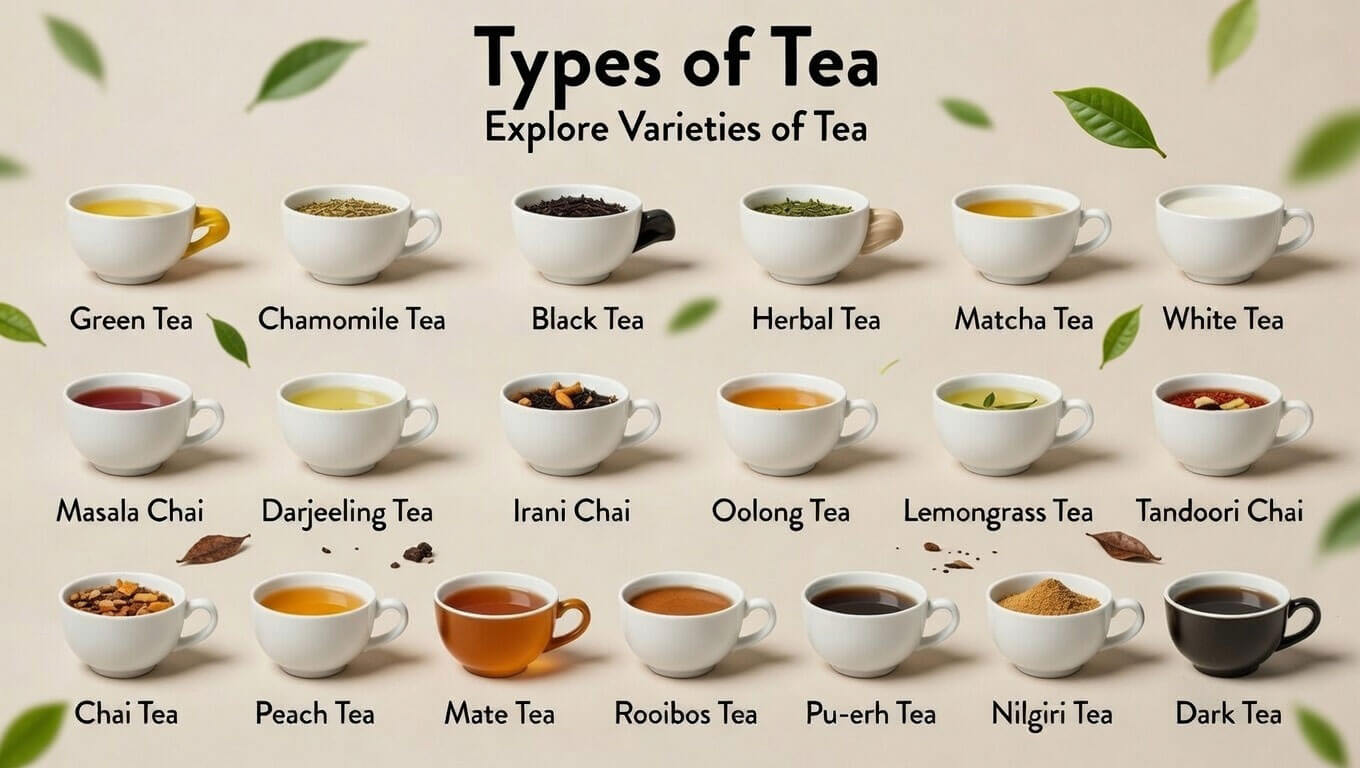
Read more about 19 Different Types of Tea.
Which Tea Helps in Sore Throat and Throat Irritation?
Warm herbal tea is ideal for throat-specific discomfort and is often recommended as a natural tea for sore throat relief.
- Tea flavored with honey soothes and coats the throat.
- Tea with chamomile reduces inflammation and encourages sleep.
- Mulethi, or licorice root tea, helps lessen dryness and scratchiness.
Warm liquids help your body fight illness more successfully by improving blood circulation in the neck region.
Can Tea Boost Immunity During Seasonal Infections?
Yes, during seasonal infections, drinking immunity-boosting teas can support your body’s natural defenses, as many teas are rich in antioxidants and protective compounds – learn more about tea and immunity benefits.
- Catechins found in green tea aid in the battle against infections.
- Inflammation is lessened by ginger and turmeric tea.
- One of the key black tea benefits is its antioxidant support for the immune system.
- Respiratory immunity is supported by tulsi tea.
- Tea keeps you hydrated and strengthens your body’s defenses, but it is not a cure.
Is It Safe to Drink Tea During Fever or Flu?
It’s usually safe and beneficial to drink tea when you have a fever or the flu. Tea is beneficial when:
- You must stay hydrated.
- Your throat hurts.
- You feel crowded.
Steer clear of or restrict tea if:
- You’re drinking too much coffee and are dehydrated.
- You feel queasy or acidic.
- Your physician suggests differently.
For a quicker recovery, choose for herbal or low-caffeine choices.
Best Time to Drink Tea When You Have Cold or Cough
The timing of your tea remedy can increase its efficacy:
- Black tea or ginger in the morning to relieve congestion
- Green tea or tulsi in the afternoon to boost immunity
Evening: Warming masala tea
- To relieve a cough before bed, try chamomile or honey-ginger tea.
- If caffeine interferes with sleep, avoid consuming it extremely late.
Tea Comparison Table: Cold vs Cough vs Sore Throat vs Flu
| Tea Type | Best For | Key Benefits | How to Prepare | Precautions |
| Ginger Tea | Cough & Cold | Reduces inflammation, clears mucus | Boil fresh ginger 5-7 mins | Avoid excess if acidity |
| Tulsi Tea | Sore throat | Boosts immunity, reduces irritation | Boil tulsi leaves | Safe in moderation |
| Black Tea | Flu fatigue | Antioxidants, mild energy | Steep 3-5 mins | Limit caffeine |
| Masala Tea | Cold & congestion | Warms body, clears nasal passages | Boil spices with tea | Avoid excess sugar |
| Chamomile | Night cough | Calms throat & promotes sleep | Steep 5 mins | Avoid if allergic to daisies |
Common Mistakes While Drinking Tea During Illness
Even the best tea for cold won’t help if consumed incorrectly.
- Adding too much sugar – Weakens immunity
- Overconsumption (5-6 cups daily) – Causes dehydration
- Drinking very hot tea – Irritates throat further
- Using too much milk – May increase mucus for some people
- Skipping water intake – Tea is not a full replacement for water
Stick to 2-3 cups daily for balanced benefits.
Conclusion
In addition to providing comfort, a warm cup of tea is a straightforward, all-natural treatment that aids in the healing process from seasonal infections. The secret is moderation and careful preparation, whether you choose masala tea for congestion, tulsi tea for sore throats, or ginger tea for coughs. For improved immunity and quicker healing, combine tea with rest, hydration, and a healthy diet.
FAQs
-
Is ginger tea good for cough?
Yes. Ginger tea reduces throat inflammation, loosens mucus, and provides relief from both dry and productive cough when consumed warm with honey.
-
Can I drink tea when I have fever?
Yes, herbal or light black tea can help with hydration and throat discomfort during fever. Avoid excessive caffeine and stay properly hydrated.
-
Which tea boosts immunity fastest?
Tulsi, green tea, and ginger-turmeric tea are known for immune-supporting antioxidants and anti-inflammatory properties that help the body recover faster.
-
Does milk tea worsen cold?
Milk tea does not directly worsen a cold, but excess milk may thicken mucus in some people. Opt for lighter tea if congestion feels worse.
-
How many cups of tea can I drink when sick?
2-3 cups of warm herbal tea daily is generally safe. Avoid excessive caffeine and balance with adequate water intake. Read more about 5 Herbal Tea Recipes to Boost Your Immunity
-
Can tea cure cold permanently?
No. Tea cannot cure a cold permanently, as most colds are viral. It helps relieve symptoms and supports natural recovery.
-
What tea is good for kids cough?
Mild ginger-honey tea or tulsi tea in small quantities can help. Avoid strong caffeine-based teas and consult a pediatrician for persistent cough.